
Opportunities
"When you purchase your machine from Freeze Dry Co.
you are assured of receiving the utmost in professional support...
...BEFORE, DURING, and AFTER the sale."
food & nutrition
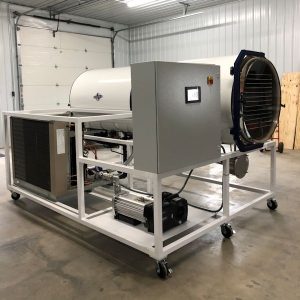 The food preservation process is used for drying and preserving a number of food products, including meats, vegetables and fruits. Foods that have been freeze dried retain the taste, texture, shape and look of fresh frozen foods. Freeze-dried products will maintain nutrients, color, flavor, texture and aroma of fresh frozen foods. While providing the shelf-stable convenience of canned and dehydrated foods.
Recognizing the retention of nutrients achieved through freeze drying, the Freeze Dry Company offers equipment suited for foods and botanicals at a low cost. We offer various sizes of Freeze Dry Equipment to accommodate all applications and needs.
elk industry
Freeze drying Elk Velvet Antler is being recognized internationally as the superior method of processing velvet in retaining nutrients and medicinal value. Elk Velvet Antlers traditionally have been used in Oriental medicine as a restorative and a tonic to promote good health, vitality and growth. Modern science has recognized Elk velvet antler as one of nature's safest and most effective supplements available. By Freeze drying the Elk Velvet Antler you have:
- A quality product one can stand behind.
- A rapid product creating cash flow.
- Low labor and maintenance that translates into high return for your investment.
- Quality service and support that continues long after purchase.
taxidermy industry
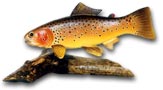 Taxidermy is a general term describing the many methods of reproducing a life-like, three-dimensional representation of an animal for permanent display. The word "taxidermy" is derived from two Greek words; taxis; meaning movement; and derma; meaning skin. Therefore taxidermy means the movement of skin. Many taxidermy procedures involve removing the natural skin from the specimen, replacing this skin over an artificial body, and adjusting the skin until it appears lifelike. The modern practice of taxidermy incorporates many crafts, such as carpentry, woodworking, tanning, molding and casting; but it also requires artistic talent, including the art of sculpture, painting and drawing. Contact us today and we can assist you with your taxidermy needs.
Freeze Dry Company Inc.
1211 Roosevelt Ave
Pine River, MN 56474
Phone 218-963-2100 · Toll Free 800-851-2110
© Freeze Dry Company Inc. | Site by Midwest Captions, Inc.